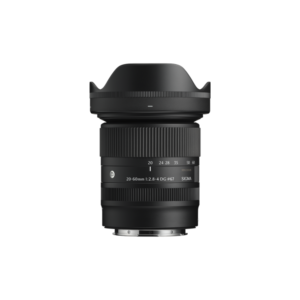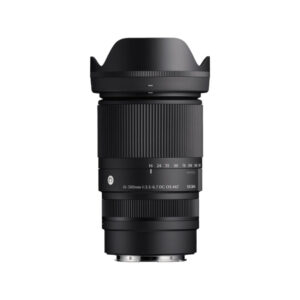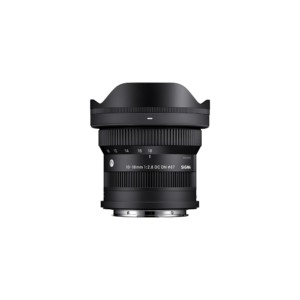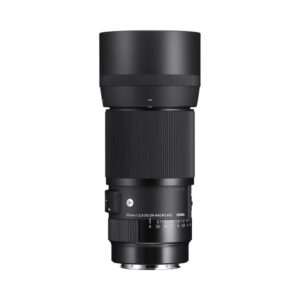
Camera Lens Price in Bangladesh Overview
If you have started researching camera lens price in Bangladesh, you already know the market is crowded with grey imports, unofficial resellers, and confusing price tags that change depending on where you look. A Nikon 50mm lens can be listed at three different prices across three different Dhaka shops, and none of them may tell you whether the lens comes with an official warranty. This guide breaks down real pricing patterns across brands, lens types, and budgets, so you can buy with confidence instead of guesswork.
Camera lens prices in Bangladesh generally range from around ৳8,000 for basic kit lenses to well over ৳150,000 for professional-grade glass from Sigma, Canon, Nikon, and Sony. The spread is wide because lens pricing depends on far more than the brand name — aperture, build quality, mount type, and whether the unit is officially imported all play a role.
Average Camera Lens Prices in Bangladesh
On average, entry-level prime and kit lenses fall between ৳9,000 and ৳25,000, while mid-range zoom lenses for enthusiast photographers typically sit between ৳30,000 and ৳70,000. Professional lenses — particularly fast-aperture zooms and specialty optics like the Sigma Art series — commonly exceed ৳90,000 and can reach ৳200,000 or more for flagship telephoto glass. Import duty, currency fluctuation against the US dollar, and freight costs are the biggest drivers behind year-to-year price changes in this market.
Factors Affecting Lens Prices
Several factors push camera lens price in Bangladesh up or down. Aperture size has the single biggest impact — an f/1.4 prime lens will always cost more than an f/1.8 version of the same focal length because of the larger, more complex glass elements required. Build material matters too: lenses with metal mounts, weather sealing, and internal focusing motors cost more to manufacture than plastic-bodied budget options. Brand reputation and mount compatibility (Nikon F vs Z, Canon EF vs RF, Sony E-mount) also shift pricing, since newer mirrorless mounts often carry a premium over older DSLR mounts. Finally, import route and currency exchange rates directly affect retail pricing in Taka, which is why prices can shift even when the manufacturer hasn’t changed anything.
Imported vs Official Warranty Products
This is one of the most important distinctions for buyers in Bangladesh. Grey-market or “imported” lenses are typically sourced through unofficial channels, often without a local warranty, and sometimes without the original accessories or documentation. Official warranty products, on the other hand, are sold through authorized distributors who guarantee local after-sales support, genuine parts, and a documented warranty period — usually one year, though some brands extend this further. While grey imports may look cheaper on the surface, the absence of warranty support means any sensor, autofocus motor, or optical defect becomes the buyer’s full financial responsibility. For buyers who plan to use a lens professionally or for years to come, paying slightly more for an officially imported, warrantied lens is almost always the safer long-term decision. Authorized distributors such as Hope Enterprises Bangladesh exist specifically to close this gap, importing stock directly and standing behind it with documented local warranty support.
What Is a Camera Lens?
A camera lens is the optical component that sits between the camera sensor and the subject being photographed, bending and focusing light so that a sharp, properly exposed image forms on the sensor. Without a lens, a camera body alone cannot capture an image — the lens is what determines field of view, depth of field, sharpness, and how light is rendered in a photograph.
How Camera Lenses Work
Inside every lens is a series of curved glass elements arranged in groups. As light passes through these elements, it gets bent (refracted) and converges at a precise point on the camera’s sensor. The aperture — a set of adjustable blades inside the lens — controls how much light reaches the sensor, while the focusing mechanism moves internal elements to make sure the subject appears sharp. Modern lenses also include autofocus motors, image stabilization systems, and electronic contacts that communicate aperture and focus data to the camera body in real time.
Why Lenses Matter in Photography
Photographers often say “lenses matter more than camera bodies,” and there’s real truth to this. A high-resolution camera body paired with a poor-quality lens will still produce soft, low-contrast images, while a modest camera body paired with an excellent lens can produce stunning results. Lens choice directly affects sharpness, background blur (bokeh), color rendering, distortion control, and low-light performance — qualities that a camera body’s sensor and processor cannot fully compensate for.
Difference Between Camera Body and Lens
The camera body houses the sensor, processor, memory card slot, and screen — it’s the “brain” that converts light into a digital image file. The lens is the “eye” that gathers and shapes that light before it ever reaches the sensor. Bodies are typically upgraded every few years as sensor technology improves, while a good lens can remain useful across multiple camera body generations, which is why many photographers consider lenses a longer-term investment than the camera body itself.
Types of Camera Lenses Available in Bangladesh
Bangladesh’s camera market offers a wide variety of lens types to suit different photography styles, from portraits and weddings to wildlife and travel content. Understanding what each type does will help you match a lens to your actual shooting needs rather than buying based on price alone.
Prime Lens
A prime lens has a single fixed focal length — no zooming in or out. Because prime lenses don’t need complex zoom mechanisms, they typically offer wider maximum apertures (like f/1.4 or f/1.8), sharper images, and better low-light performance than zoom lenses at a similar price point. Popular prime focal lengths in Bangladesh include 35mm, 50mm, and 85mm, each suited to different types of photography.
Zoom Lens
A zoom lens covers a range of focal lengths within a single lens, letting photographers adjust framing without physically moving closer or farther from the subject. Zoom lenses are popular among Bangladeshi photographers who shoot events, travel, and wildlife, since they offer flexibility without needing to carry multiple primes.
Wide-Angle Lens
Wide-angle lenses have shorter focal lengths (typically under 35mm on full-frame cameras) and capture a broader field of view. They’re commonly used for landscape photography, architecture, interior shots, and creative perspective work where fitting more of the scene into the frame matters.
Telephoto Lens
Telephoto lenses have longer focal lengths, allowing photographers to capture distant subjects without physically getting closer. These lenses are essential for wildlife photography, sports photography, and candid event coverage where approaching the subject isn’t practical or possible.
Macro Lens
Macro lenses are designed for extreme close-up photography, capable of reproducing subjects at life-size (1:1) magnification or greater. They’re the go-to choice for product photography, jewelry photography, insect and flower photography, and any work requiring fine detail capture.
Portrait Lens
While not an official lens category, “portrait lens” usually refers to mid-telephoto primes (typically 50mm to 135mm) with wide maximum apertures that produce flattering subject compression and creamy background blur — ideal for headshots, wedding photography, and studio portraits.
Fisheye Lens
Fisheye lenses are extreme wide-angle lenses that intentionally introduce strong barrel distortion, creating a curved, immersive look. They’re popular for creative photography, action sports footage, and certain architectural or interior shots where a dramatic, distorted perspective is desired.
DSLR Camera Lens Price in Bangladesh
DSLR lenses remain widely used in Bangladesh, particularly among photographers who already own Nikon or Canon DSLR bodies and are building out their lens collection over time.
Entry-Level DSLR Lenses
Entry-level DSLR lenses, including basic kit zooms (18-55mm) and budget primes (50mm f/1.8), typically range from ৳8,000 to ৳22,000. These lenses are a practical starting point for beginners learning the fundamentals of aperture, focal length, and composition without a large upfront investment.
Mid-Range DSLR Lenses
Mid-range DSLR lenses — including 18-140mm or 18-200mm superzooms, and faster aperture primes like 35mm f/1.8 — generally fall between ৳25,000 and ৳60,000. These lenses suit photographers who have outgrown kit lens limitations and want sharper images, better low-light capability, or more versatile zoom range.
Professional DSLR Lenses
Professional-grade DSLR lenses, such as 24-70mm f/2.8 or 70-200mm f/2.8 zooms, typically start around ৳90,000 and can exceed ৳200,000 depending on the brand and optical specification. These lenses are built for working photographers — wedding shooters, photojournalists, and studio professionals — who need consistent performance, weather sealing, and fast, accurate autofocus in demanding conditions.
Nikon Lens Price in Bangladesh
Nikon remains one of the most established camera brands in Bangladesh, with a loyal user base across both DSLR (F-mount) and mirrorless (Z-mount) systems.
Best Nikon Lenses for Beginners
For beginners, the Nikon 50mm f/1.8G and the 35mm f/1.8G are popular entry points, generally priced between ৳12,000 and ৳20,000. These lenses offer a meaningful upgrade in sharpness and low-light performance over kit lenses without requiring a large budget.
Professional Nikon Lenses
Professional Nikon glass, including the 24-70mm f/2.8 and 70-200mm f/2.8 lines, typically starts around ৳110,000 and can climb past ৳250,000 for flagship telephoto or super-telephoto options. These lenses are favored by wedding photographers and sports shooters who need fast, reliable autofocus paired with excellent image quality.
Nikon Lens Price Comparison
When comparing Nikon lens prices in Bangladesh, the gap between F-mount (DSLR) and Z-mount (mirrorless) lenses is worth noting — Z-mount glass tends to carry a price premium of roughly 15-30% due to newer optical designs and smaller production volumes, even when focal length and aperture specifications are similar.
Canon Lens Price in Bangladesh
Canon is another dominant brand in the Bangladeshi market, particularly popular among videographers and content creators who value Canon’s color science and autofocus technology.
Canon Prime Lenses
Canon prime lenses, such as the 50mm f/1.8 STM, are among the most affordable lenses available, often priced under ৳12,000 — making them one of the best value-for-money options for beginners and content creators alike. Higher-end primes like the 85mm f/1.4L sit at the opposite end, often exceeding ৳150,000.
Canon Zoom Lenses
Canon zoom lenses span a wide price range. Consumer-grade options like the 18-55mm or 55-250mm kit zooms cost between ৳10,000 and ৳25,000, while professional L-series zooms such as the 24-70mm f/2.8L or 70-200mm f/2.8L typically range from ৳120,000 to over ৳250,000.
Best Canon Lens for Photography
For general-purpose photography, the Canon 24-70mm f/2.8L is widely regarded as one of the most versatile professional zooms available, covering everything from environmental portraits to events and travel photography in a single lens.
Sigma Lens Price in Bangladesh
Sigma has built a strong reputation in Bangladesh as a third-party manufacturer offering professional-grade optical quality at a more accessible price than equivalent first-party Canon, Nikon, or Sony lenses. Hope Enterprises Bangladesh, the country’s authorized Sigma distributor, is one of the main channels through which buyers can access genuine Sigma stock with official warranty coverage rather than relying on unofficial imports.
Sigma Art Series
The Sigma Art series is designed for photographers who prioritize maximum image quality and wide apertures, with lenses like the 18-35mm f/1.8 and 35mm f/1.4 Art widely used for portrait, wedding, and cinematic work. Art series lenses in Bangladesh typically range from ৳70,000 to ৳150,000 depending on focal length and aperture.
Sigma Contemporary Series
The Sigma Contemporary line balances performance and portability at a friendlier price point, with popular options like the 18-50mm f/2.8 DC DN appealing to mirrorless shooters and content creators. Contemporary series lenses generally fall between ৳45,000 and ৳90,000.
Sigma Sports Series
Sigma’s Sports series is built for fast-moving subjects, with rugged weather-sealed construction aimed at wildlife and sports photographers. These telephoto-focused lenses typically start around ৳150,000 and can exceed ৳300,000 for the longest focal lengths.
Sony Lens Price in Bangladesh
Sony’s mirrorless ecosystem has grown rapidly among Bangladeshi content creators and filmmakers, driven by the popularity of Sony’s E-mount camera bodies for both photo and video work.
Sony E-Mount Lenses
Sony E-mount lenses for APS-C cameras, such as the 16-50mm kit lens or 50mm f/1.8 prime, typically range from ৳15,000 to ৳40,000, making them accessible entry points into the Sony ecosystem.
Sony Full Frame Lenses
Full-frame E-mount lenses, including G Master series glass like the 24-70mm f/2.8 GM, command premium pricing — often starting at ৳150,000 and reaching well past ৳300,000 for specialized telephoto or super-telephoto options.
Best Sony Lenses for Creators
Content creators working with Sony bodies frequently favor compact, fast-aperture options like the Sigma 18-50mm f/2.8 DC DN or Sony 35mm f/1.8, both of which balance portability, low-light capability, and video-friendly autofocus performance.
Zoom Lens 75-300mm Price in BD
The 75-300mm zoom lens is one of the most searched telephoto options among Bangladeshi photographers looking for an affordable way into long-range photography.
Key Features
The 75-300mm zoom typically offers a variable aperture (commonly f/4-5.6), a compact telephoto zoom range well-suited to DSLR mounts, and a price point that makes it accessible to hobbyist photographers. In Bangladesh, this lens generally retails between ৳15,000 and ৳28,000 depending on brand, condition, and warranty status.
Photography Applications
This focal range is commonly used for casual wildlife photography, outdoor events, distant subject photography, and as a budget-friendly entry into telephoto shooting before investing in faster, more expensive professional telephoto glass.
Wildlife Photography Benefits
For photographers exploring wildlife photography for the first time, the 75-300mm range provides enough reach to photograph birds and animals from a safe, non-disruptive distance without the high cost of professional super-telephoto lenses.
Sports Photography Benefits
In outdoor sports settings with good lighting, the 75-300mm zoom allows photographers to capture action from the sidelines without needing to be physically close to the field of play, though its variable aperture makes it less ideal for fast-paced indoor sports.
Best Camera Lens Price in Bangladesh by Budget
Budget is often the deciding factor for most buyers, so breaking the market into clear price tiers makes it easier to know what to expect at each level.
Under ৳10,000
At this entry budget, options are mostly limited to used kit lenses, basic 50mm f/1.8 primes from older lens generations, or entry-level third-party lenses. Buyers at this tier should pay close attention to condition and authenticity, since grey-market and used units dominate this price range.
৳10,000–৳30,000
This is the most popular budget tier for beginner and enthusiast photographers in Bangladesh. It covers new kit zooms, budget primes, and entry telephoto options like the 75-300mm zoom, offering a meaningful step up in image quality over basic kit lenses.
৳30,000–৳70,000
This mid-range tier includes superzoom lenses, faster-aperture primes, and entry-level Sigma Contemporary glass. Buyers here are typically enthusiasts or semi-professionals looking for noticeably better sharpness, build quality, and low-light performance.
Above ৳70,000
This tier covers professional-grade glass — Sigma Art series lenses, Canon and Nikon L/S-line zooms, and Sony G Master lenses. Buyers at this level are usually working photographers or serious enthusiasts who treat lens purchases as long-term professional investments.
Camera Lens Price in Bangladesh Daraz vs Authorized Stores
One of the most common questions buyers ask is whether to purchase from online marketplaces like Daraz or from authorized brick-and-mortar dealers.
Price Comparison
Daraz listings often advertise lower upfront prices, but these listings frequently mix grey-market imports, used units, and official stock in the same search results, making direct price comparison misleading without checking seller credentials carefully. Authorized stores tend to have more consistent, transparent pricing tied to officially imported stock.
Warranty Comparison
Authorized dealers provide documented local warranty coverage, typically backed by the distributor directly. Daraz sellers vary widely — some offer genuine manufacturer warranty, while others offer only a short seller-provided guarantee or none at all, which is a critical difference if a lens develops a fault after a few months of use.
Authenticity Considerations
Counterfeit and grey-market lenses are a real risk on open marketplaces. Authorized distributors source directly from the manufacturer or regional distributor, which significantly reduces the risk of receiving a counterfeit, refurbished, or misrepresented product. Buyers shopping for Sigma glass specifically can verify authenticity through Hope Enterprises Bangladesh, which sources stock directly as the brand’s official local distributor.
After-Sales Support
After-sales support is where authorized dealers clearly outperform marketplace sellers. Local service centers, genuine replacement parts, and direct communication with the distributor make repairs and warranty claims far more straightforward than chasing a marketplace seller who may not respond after the sale.
How to Choose the Right Camera Lens
Choosing the right lens comes down to matching focal length, aperture, and build quality to the type of photography you actually do most.
Best Lens for Portrait Photography
For portraits, a mid-telephoto prime in the 50mm to 85mm range with a wide aperture (f/1.4 to f/1.8) is ideal, producing flattering compression and smooth background blur that helps subjects stand out from cluttered backgrounds.
Best Lens for Wedding Photography
Wedding photographers typically rely on a combination of a 24-70mm f/2.8 zoom for flexibility during ceremonies and receptions, paired with a fast 85mm prime for portrait-style shots during the event.
Best Lens for Wildlife Photography
Wildlife photography demands telephoto reach — lenses in the 100-400mm or 150-600mm range are standard choices, allowing photographers to capture animals from a safe distance without disturbing natural behavior.
Best Lens for Travel Photography
For travel, a versatile standard zoom like an 18-135mm or 24-105mm lens is often the best single-lens solution, covering everything from landscapes to street photography without needing to carry multiple lenses.
Best Lens for Content Creators
Content creators producing video and photo content typically favor fast, compact zooms like the Sigma 18-50mm f/2.8 DC DN, which offers a versatile focal range, strong low-light performance, and smooth, video-friendly autofocus on mirrorless bodies.
Prime Lens vs Zoom Lens
This is one of the most common dilemmas for photographers building their first lens collection, and the right answer depends heavily on shooting style.
Image Quality Comparison
Prime lenses generally produce sharper images with better contrast and less distortion than zoom lenses at a comparable price point, since their simpler optical design requires fewer compromises.
Flexibility Comparison
Zoom lenses win clearly on flexibility, letting photographers adjust framing instantly without changing lenses or physically repositioning — a major advantage for events, travel, and fast-moving situations.
Price Comparison
At equivalent aperture and build quality, prime lenses are usually less expensive than zoom lenses, since they require simpler optical engineering. However, fast primes with very wide apertures (f/1.2 or f/1.4) can be priced higher than mid-range zooms.
Which Lens Is Better?
Neither option is universally “better” — primes suit photographers who prioritize image quality and low-light performance in a known shooting environment, while zooms suit those who need flexibility across changing or unpredictable scenes. Many experienced photographers ultimately own both.
Common Mistakes When Buying a Camera Lens
Avoiding a few common pitfalls can save buyers significant money and frustration when purchasing a camera lens in Bangladesh.
Buying Without Checking Compatibility
One of the most frequent mistakes is buying a lens that doesn’t match the camera’s mount type — for example, purchasing an EF lens for an RF-mount body, or an F-mount lens for a Z-mount camera, without accounting for the need (and added cost) of an adapter.
Ignoring Aperture
Buyers often focus only on focal length and brand, overlooking aperture — a critical spec that determines low-light performance and background blur. A cheaper lens with a narrower maximum aperture may struggle significantly in indoor or evening shooting conditions.
Choosing Only Based on Price
The lowest-priced option in a search isn’t always the best value, particularly when grey-market units, used lenses, and officially warrantied products are mixed together in price comparisons without clear labeling.
Not Considering Future Needs
Buying the absolute cheapest lens to fit a current camera body can be a false economy if a photographer plans to upgrade their body or expand into new genres of photography within a year or two — investing slightly more upfront in versatile, higher-quality glass often pays off over time.
Camera Lens Maintenance Tips
Proper maintenance extends a lens’s working life significantly and helps preserve its resale value.
Cleaning Methods
Use a blower to remove loose dust before any contact cleaning, followed by a microfiber cloth or lens-specific cleaning solution for smudges and fingerprints. Avoid using regular tissue paper or clothing fabric, which can scratch lens coatings over time.
Storage Recommendations
Store lenses in a dry, moisture-controlled environment — ideally inside a dry cabinet, especially important in Bangladesh’s humid climate where fungus growth on internal lens elements is a common and costly problem.
Protection Accessories
Use a UV or protective filter on the front element to guard against scratches and minor impacts, along with a properly fitted lens cap and rear cap whenever the lens isn’t mounted on a camera body.
Where to Buy Original Camera Lenses in Bangladesh
Knowing where to source a genuine, warrantied lens is just as important as choosing the right specifications.
Authorized Dealers
Authorized dealers and official brand distributors remain the most reliable source for original lenses with documented warranty coverage, genuine accessories, and verifiable after-sales support. Hope Enterprises Bangladesh, an authorized Sigma distributor, is one example of a dealer offering officially imported Sigma lenses with proper warranty backing for buyers who want assurance of authenticity.
Online Stores
Reputable online stores that clearly disclose warranty terms, import status, and seller identity can be a convenient option, though buyers should verify these details before purchasing rather than assuming all online listings are equal.
Physical Camera Shops
Physical camera shops allow buyers to inspect a lens in person, test autofocus and zoom mechanisms, and ask questions directly — a valuable option for buyers purchasing a significant investment piece or unfamiliar with a particular lens model.
Conclusion
Camera lens price in Bangladesh varies enormously depending on brand, focal length, aperture, and — critically — whether a lens is sourced through an authorized, warrantied channel or an unofficial grey-market route. Beginners can start meaningfully with a sub-৳20,000 prime or kit lens, while professionals investing in Sigma Art, Canon L-series, or Sony G Master glass should expect to budget well into six figures. Whatever your budget, prioritizing officially imported lenses with genuine warranty support — available through authorized distributors such as Hope Enterprises Bangladesh — will protect your investment far better than chasing the lowest listed price alone. Buyers who take the time to match lens specifications to their actual photography needs, rather than buying on price or brand name alone, consistently end up with gear that serves them well for years rather than months.
Frequently Asked Questions (FAQ)
What is the average camera lens price in Bangladesh?
Camera lens prices in Bangladesh typically range from around ৳8,000 for basic kit and entry-level lenses to over ৳150,000 for professional-grade zooms and specialty optics, with most enthusiast-level lenses falling between ৳25,000 and ৳70,000.
Which camera lens is best for beginners?
Beginners generally do well starting with a 50mm f/1.8 prime lens or a standard kit zoom, both of which offer solid image quality at an accessible price while teaching fundamental composition and exposure skills.
What is the Zoom Lens 75-300mm price in BD?
The 75-300mm zoom lens typically retails between ৳15,000 and ৳28,000 in Bangladesh, depending on brand, condition, and whether the unit carries official warranty coverage.
Is it better to buy camera lenses from Daraz or authorized dealers?
Authorized dealers generally offer more reliable warranty coverage and authenticity guarantees, while Daraz can offer competitive pricing but requires careful seller verification to avoid grey-market or counterfeit units. For Sigma lenses specifically, buying through Hope Enterprises Bangladesh as the official distributor removes most of this uncertainty.
How do I choose the right camera lens for photography?
Choosing the right lens depends on matching focal length and aperture to your primary photography style — portraits and weddings favor fast mid-telephoto primes, wildlife and sports favor telephoto zooms, and travel favors versatile standard zooms.