Winter in Sylhet transforms the tea gardens of Sreemangal into one of Bangladesh’s most photogenic landscapes. Rolling hills blanketed in low-hanging morning fog, rows of tea bushes catching soft early light, and the quiet stillness of December mornings draw photographers from across the country every season.
Capturing this landscape well requires a different lens approach than portrait or event work — one built around sharpness across the frame, control over depth, and the ability to work in the flat, diffused light that fog and overcast winter mornings create.
Why Winter Is the Best Season for Tea Garden Photography
Sreemangal’s tea gardens look different depending on the time of year, but winter — particularly December through February — offers the conditions photographers actually want. Morning temperatures drop enough to create the dense fog that defines the region’s most iconic images, humidity is lower than during monsoon, and the tea bushes themselves are typically well maintained and vividly green after the growing season.
The window for the best fog shots is narrow, usually just after sunrise before the fog burns off, which means photographers need gear that is quick to set up and reliable in low, flat light rather than equipment that requires extensive fine-tuning.
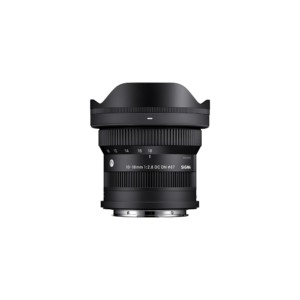
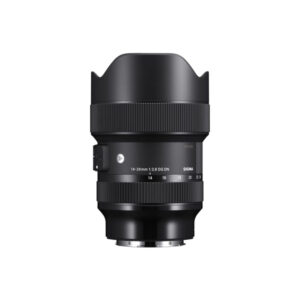
Best Sigma Lens for Wide Landscape Shots: Sigma 14-24mm f/2.8 DG DN Art
The rolling scale of Sreemangal’s tea gardens is best captured with a genuinely wide lens, and the Sigma 14-24mm f/2.8 DG DN Art is built for exactly this kind of landscape work. Its wide field of view captures the sweeping rows of tea bushes disappearing into fog, while its constant f/2.8 aperture and excellent edge-to-edge sharpness hold up well even when stopped down for maximum depth of field.
This lens also performs well for the low-light conditions common at sunrise, when photographers are working before full daylight but still want a sharp, well-exposed frame.
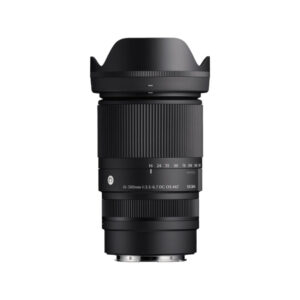
Best Sigma Lens for Compressed, Layered Fog Shots: Sigma 100-400mm f/5-6.3 DG DN
Some of the most compelling fog photography comes not from wide shots but from compressed, layered images where a telephoto lens flattens perspective and stacks receding hills and tree lines into a moody, atmospheric composition. The Sigma 100-400mm f/5-6.3 DG DN is well suited to this style, letting photographers isolate a distant ridge or a lone tree emerging from fog while compressing the visual layers between foreground and background.
This is a distinctly different look from wide-angle landscape shots and one that Sreemangal’s rolling terrain is particularly well suited to.
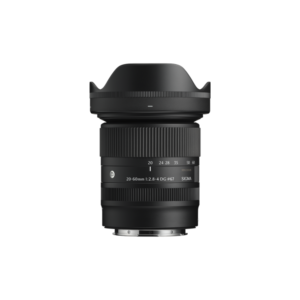
Best Sigma Lens for General Travel and Versatility: Sigma 24-70mm f/2.8 DG DN Art
Not every shot in Sreemangal calls for an extreme wide or telephoto lens. Tea garden entrance signs, workers picking leaves, roadside scenes on the way to the gardens, and general travel documentation all benefit from a versatile mid-range zoom.
The Sigma 24-70mm f/2.8 DG DN Art covers this need well, letting photographers move between wide environmental shots and tighter details without changing lenses, which matters when working quickly in the narrow morning fog window.
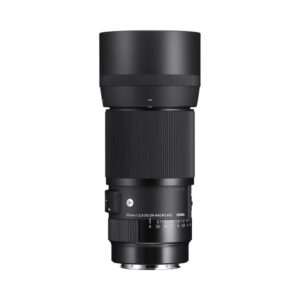
Best Sigma Lens for Close-Up Detail Shots: Sigma 70mm f/2.8 DG DN Macro
Beyond the sweeping landscapes, Sreemangal offers plenty of close-up photographic material — dew-covered tea leaves, individual buds ready for plucking, insects and small details across the garden. The Sigma 70mm f/2.8 DG DN Macro captures this level of detail with true 1:1 magnification, adding a complementary layer to a landscape photography series that might otherwise focus entirely on wide shots.
Morning dew on tea leaves, in particular, photographs beautifully in the soft winter light typical of early Sreemangal mornings.
Timing and Light for Fog Photography
Fog photography rewards early risers. The best conditions typically appear between just before sunrise and roughly an hour after, when temperature differentials are highest and fog has not yet burned off under direct sun. Photographers should plan to be in position before this window opens rather than arriving once the fog is already visible, since conditions can change quickly as the sun rises.
Shooting into low sun during this window can also produce strong backlit, glowing fog images, while shooting with the sun at your back tends to favor flatter, more evenly lit landscape compositions.
Composition Approaches for Tea Garden Landscapes
The repeating rows of tea bushes offer natural leading lines that work well in wide-angle compositions, drawing the eye through the frame toward a distant hill or tree line. Including a human element — a tea picker at work, a solitary figure walking a garden path — adds scale and narrative interest to what might otherwise be a purely abstract pattern of green rows and fog.
Photographers should also pay attention to layering: foreground tea bushes, mid-ground rolling hills, and background fog-shrouded ridges create the sense of depth that makes Sreemangal’s winter landscape photography distinctive.
Practical Considerations for Shooting in Sreemangal
Morning fog photography means working in cold, damp conditions, and camera gear needs some care as a result. Condensation can form on lenses when moving between a warm vehicle and cold outdoor air, so allowing equipment to acclimate for a few minutes before shooting helps avoid fogged optics at the worst possible moment.
A lens cloth kept dry and accessible is essential, since morning dew and light mist can settle on front elements quickly during extended outdoor shooting sessions. Tripods are worth carrying for photographers planning long exposures of moving fog, though many of the best tea garden shots are captured handheld given how quickly conditions shift.
Buying Considerations for Landscape Photographers in Bangladesh
Wide-angle and telephoto landscape lenses represent a meaningful investment, and buying through an authorized distributor matters even more for this kind of specialized gear, since replacement parts and servicing for less common lenses can be harder to source through unofficial channels.
Hope Enterprises, as an official Sigma distributor in Bangladesh, offers genuine units with full local warranty coverage, which is particularly valuable for landscape lenses that see heavy travel use across varied weather conditions.
Extending the Trip Beyond the Tea Gardens
Sreemangal is often visited alongside nearby attractions like Lawachara National Park and the seven-layer tea shops, and photographers making the trip from Dhaka or elsewhere in Bangladesh typically plan for a full weekend rather than a single morning. This makes lens versatility worth weighing carefully — a kit that also handles forest and wildlife photography at Lawachara, where longer focal lengths help with distant bird and wildlife sightings, adds value beyond the tea garden shoot itself.
The 100-400mm telephoto earns extra justification in this context, doing double duty for both compressed landscape work and opportunistic wildlife photography during the same trip.
Editing Fog and Landscape Images
Post-processing for fog photography benefits from a light touch rather than heavy contrast adjustments, since much of the appeal of these images comes from their soft, low-contrast atmosphere. Pushing too much contrast or saturation in editing can strip away the delicate quality that makes fog photography distinctive in the first place.
Careful attention to white balance also matters, since fog and overcast morning light often carries a cool cast that can be warmed slightly in post to better match the mood of a Sreemangal sunrise without overcorrecting into an unnatural look.
Frequently Asked Questions
A standard zoom like the 24-70mm can capture strong images, but a true wide-angle like the 14-24mm unlocks the sweeping, immersive compositions that make tea garden photography distinctive, particularly for fog-filled valley shots.
Arriving before sunrise is essential, since the best fog conditions typically last only 30 to 60 minutes after first light before the fog begins to clear.
It is not essential, but a telephoto like the 100-400mm opens up a different, more abstract style of landscape photography that wide lenses cannot replicate, particularly for compressed, layered fog images.
Let equipment gradually adjust to outdoor temperature before shooting rather than moving directly from a warm car into cold, humid air, and keep a dry cloth on hand to wipe condensation as needed.
Final Thoughts
Sreemangal and the wider Sylhet tea garden region offer some of Bangladesh’s most rewarding winter landscape photography, but capturing it well depends on having the right combination of wide-angle, telephoto, and detail lenses rather than a single general-purpose setup.
A kit built around a wide lens for sweeping fog-covered hillsides, a telephoto for compressed layered compositions, and a versatile zoom for everything in between covers the range of images the region offers across a single winter morning. For genuine Sigma lenses with proper local warranty support, Hope Enterprises remains the trusted choice for landscape photographers across Bangladesh.