Bangladesh’s monsoon, running roughly from June through September, is often treated as downtime for photography — a season to wait out rather than shoot through.
That’s a missed opportunity. Flooded paddy fields reflecting a grey sky, rain-slicked Dhaka streets under neon signage, fishermen working through a downpour, and the dramatic cloud formations rolling in off the Bay of Bengal all make for some of the most striking images of the year. The challenge isn’t whether to shoot the monsoon — it’s choosing a lens and technique that can survive it.
What ‘Weather Resistant’ Actually Means for a Lens
No consumer lens, Sigma included, is fully waterproof in the way a submersible housing is. Weather resistance in a lens generally refers to sealing at the mount, switches, and moving parts that reduces the chance of light rain or humidity working its way inside during normal use. It is not a guarantee against sustained heavy rain, submersion, or spray at close range. Understanding this distinction matters — it changes how you shoot rather than removing the need for care altogether.
Sigma Lenses Best Suited to Monsoon Conditions
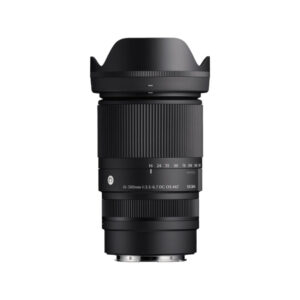
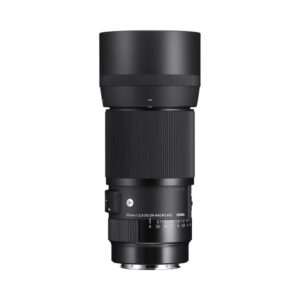
Within Sigma’s lineup, lenses from the Sports and higher-end Art series generally receive more robust sealing at the mount and barrel compared to some Contemporary models, reflecting their design for demanding outdoor and action use. A Sigma telephoto zoom built for sports and wildlife use, for example, is typically better sealed against dust and light moisture than a compact travel prime — a genuine consideration if monsoon and wildlife shooting (like the Sundarbans during rainy season) is a regular part of your work. For photographers using Contemporary-series lenses without the same level of sealing, the difference is manageable, but it shifts more responsibility onto external protection — rain covers, careful handling, and shorter exposure to direct rain.
Best Focal Lengths for Monsoon Subject Matter
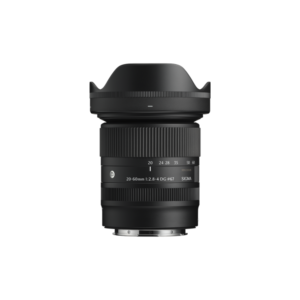
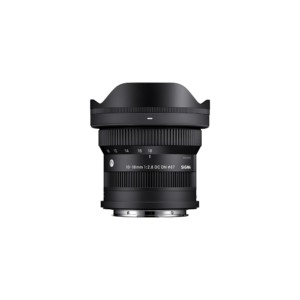
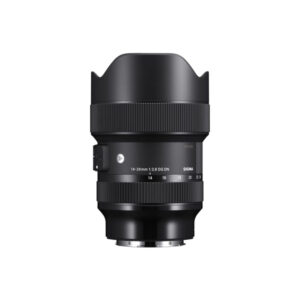
Different monsoon scenes call for different framing. A wide-angle Sigma lens like the 16mm f/1.4 captures the scale of flooded streets, dramatic storm clouds, and the low, heavy sky that defines the season, all while its fast aperture helps in the darker light that persists through overcast days. For candid, closer moments — a rickshaw puller under a plastic sheet, condensation on a tea stall window, water droplets on a subject — a standard zoom like the 18-50mm f/2.8 or a portrait prime like the 56mm f/1.4 keeps working comfortably even as light drops through the day.
Comparing Sigma Lens Series for Monsoon Durability
| Series | Typical Weather Sealing | Best Monsoon Use |
| Sports | Strongest sealing, built for outdoor action | Telephoto wildlife/action in rain-adjacent conditions |
| Art | Good sealing on many models | General and portrait work with reasonable rain tolerance |
| Contemporary | Lighter sealing, varies by model | Short exposure use with external rain protection |
Shooting Technique: Protecting the Lens While Shooting in Rain
- Use a rain cover or a clear plastic sleeve with a hole for the lens hood, secured with a rubber band.
- Keep the lens hood attached at all times — it physically blocks a surprising amount of direct rain from reaching the front element.
- Wipe the front element with a dry microfiber cloth between shots rather than letting droplets accumulate.
- Shoot from under an overhang or umbrella where possible, stepping out only for the shot itself.
- Avoid changing lenses outdoors during active rain — pre-select and mount the lens before leaving shelter.
After the Shoot: Preventing Post-Monsoon Damage
The highest-risk moment for a lens isn’t actually during the rain — it’s afterward, when a damp lens gets packed straight into a closed bag. Let the lens air-dry at room temperature with caps removed for at least 30 minutes before storing it, and check that no moisture is visible around the mount or barrel. Pair this with the humidity-control storage habits covered in Hope Enterprises’ lens care guide — a dry cabinet or silica-gel-filled container — since monsoon season is exactly when fungus risk peaks.
Is It Worth Buying a Dedicated Monsoon Lens?
For most photographers, a dedicated monsoon-only lens isn’t necessary. What matters more is knowing the sealing characteristics of the lenses already in your bag and pairing them with sensible external protection. Photographers who shoot the monsoon regularly — press photographers, wildlife shooters heading into the Sundarbans, or documentary filmmakers — may find the investment in a Sports-series telephoto with stronger sealing pays off, but for general and travel photography, a rain cover on an existing lens is usually sufficient.
Camera Body Considerations Alongside Lens Choice
Lens sealing only matters as much as the body it’s attached to — a well-sealed Sigma lens mounted on a body with poor weather sealing still leaves the camera vulnerable at the mount junction and body seams. Photographers planning regular monsoon shooting should consider this as a system rather than judging the lens in isolation, and where possible, pair better-sealed lenses with bodies known for stronger weather resistance rather than assuming the lens alone solves the problem.
Monsoon Photography Ideas Worth Planning For
Beyond documenting the rain itself, the monsoon opens up specific, recurring photographic opportunities across Bangladesh that are worth planning shoots around rather than shooting opportunistically. Flooded paddy fields in rural areas outside Dhaka create striking reflective landscapes, particularly in the early morning when the water is still and the sky is dramatic. Old Dhaka’s narrow streets take on a completely different character under rain, with reflections off wet brick and neon signage creating scenes that simply don’t exist in dry-season light. River life along the country’s major waterways intensifies during monsoon, with boats, ferries, and riverside communities all offering documentary subject matter that photographers based in drier seasons often miss entirely.
Insurance and Risk Management for Monsoon Shoots
For photographers using gear professionally, it’s worth considering equipment insurance specifically ahead of the monsoon season, since even careful shooters occasionally face an unexpected downpour or equipment mishap. This doesn’t replace good technique and proper rain protection, but it provides a financial backstop for the genuinely unpredictable moments — a sudden squall with no shelter nearby, or a boat trip where conditions change faster than expected. Buying genuine equipment through an authorized distributor also tends to simplify insurance and warranty claims, since serial numbers and purchase records are properly documented from the start.
Buying Genuine Sigma Lenses in Bangladesh
Hope Enterprises, the official Sigma distributor in Bangladesh, supplies genuine lenses with proper warranty coverage — a meaningful safeguard for photographers who plan to shoot through the demanding monsoon months.
Editing and Post-Processing Monsoon Images
Rain and overcast monsoon light tends to produce flatter, cooler-toned images straight out of camera, which is normal rather than a sign of a metering or lens issue. A modest boost in contrast and a slight warmth adjustment in post-processing usually brings monsoon shots back to life without needing to fight the natural mood of the scene. Photographers shooting RAW during this season give themselves the most flexibility, since flat monsoon light often needs more recovery in shadows and highlights than a typical sunny-day file requires.
Frequently Asked Questions
No — Sigma lenses offer varying degrees of weather resistance against light rain and dust, not full waterproofing or submersion protection.
Sports and select Art-series lenses typically offer stronger weather sealing than most Contemporary models.
Yes, with a proper rain cover and by minimizing direct exposure — shoot from shelter where possible and dry the lens promptly afterward.
Air-dry the lens fully before storage and keep it in a dry cabinet or airtight container with silica gel during humid months.
The monsoon rewards photographers willing to work through it rather than around it. With the right lens choice, sensible rain protection, and proper post-shoot drying habits, Bangladesh’s rainy season becomes one of the most visually rewarding times of year to shoot rather than four months to sit out.