Clothing photography carries more technical demands than almost any other product category — fabric has to look true to color, texture has to read clearly on a phone screen, and the same garment often needs to be shot on a model, a mannequin, and flat-lay in a single session.
Choosing the best lens for clothing photography in Bangladesh depends on whether you’re shooting full-body fashion editorials, half-body catalog shots, or close-up fabric and stitching detail for a Daraz or Shopify listing — each calls for a different focal length and working distance.
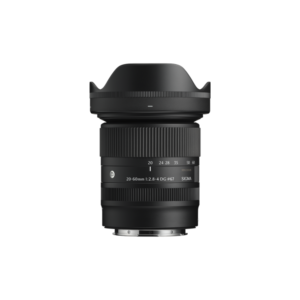
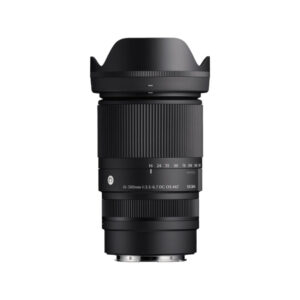
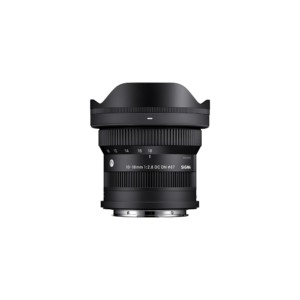
For studios and e-commerce sellers across Dhaka, Chattogram, and Sylhet building out a clothing photography kit, Sigma’s Art and Macro lens lines cover the full range — from wide environmental fashion shots to macro-level embroidery detail — at a lower cost than equivalent first-party lenses.
Hope Enterprises, Sigma’s authorized distributor in Bangladesh, supplies these across Sony E, Canon RF/EF, and L-Mount bodies. This guide breaks down the best focal lengths, the right Sigma lens for each shoot type, and how to choose based on your studio setup and budget.
What Makes a Good Lens for Clothing Photography?
A few technical qualities separate a lens that’s genuinely suited to clothing work from one that just happens to take a decent photo:
- Edge-to-edge sharpness — fabric texture, stitching, and print detail need to be crisp across the whole frame, not just the center.
- Minimal distortion — especially important for full-body and half-body shots, where barrel or pincushion distortion visibly warps garment lines.
- True-to-life color rendering — clothing buyers judge product photos on accurate color; a lens with poor color fidelity costs you returns.
- Close focusing distance — essential for capturing buttons, embroidery, and fabric weave without cropping in and losing resolution.
- Reasonably wide aperture — useful for separating a model from the background in lifestyle-style fashion shots, and for shooting quickly in studios with modest lighting setups.
Best Focal Length for Clothing Photography
Different clothing shots call for different focal lengths:
- 35mm — best for environmental or lifestyle fashion shots and full-body images in tighter studio spaces.
- 50mm — the most versatile all-rounder, suited to full-body, half-body, and general catalog work.
- 85mm — ideal for flattering half-body and portrait-style fashion shots with clean background separation.
- 105mm macro — purpose-built for fabric texture, stitching, embroidery, buttons, and other close-up product detail.
- 24-70mm zoom — covers most of this range in one lens, useful for studios shooting multiple garment types in a single session.
Best Sigma Lenses for Men & Ladies Clothing Photography
Hope Enterprises stocks the following Sigma Art and Macro lenses for clothing and fashion studios in Bangladesh, covering everything from full-body shots to close-up fabric detail.
Sigma 35mm F1.4 DG DN Art
Well suited to environmental and lifestyle-style clothing shoots where you want to show the outfit in context — on-location shots, studio sets with props, or full-body images in smaller studio spaces where you can’t step far back.
Sigma 50mm F1.4 DG DN Art
The most practical single lens for a clothing studio. It handles full-body and half-body shots with minimal distortion, renders color accurately, and its wide aperture works well for both studio lighting and more natural, lifestyle-lit shoots.
Sigma 85mm F1.4 DG DN Art
The preferred choice for half-body fashion portraits and shots where you want the garment to stand out against a softly blurred background — common in higher-end fashion catalogs and lookbook-style content.
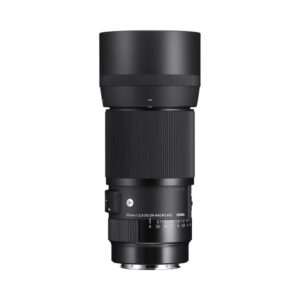
Sigma 105mm F2.8 DG DN Macro Art
This is the lens most e-commerce clothing sellers in Bangladesh are missing from their kit — and often the one that improves listing quality the most. The Sigma 105mm Macro is built specifically for close, sharp detail work: fabric weave, embroidery, stitching lines, buttons, zippers, and print texture all render with the clarity that buyers expect before purchasing online. For Daraz and Shopify sellers, a dedicated macro lens is often a bigger upgrade to conversion rates than a second full-body lens, since customers frequently zoom in on detail shots before deciding to buy.
Sigma 24-70mm F2.8 DG DN Art
A practical single-lens option for studios shooting a high volume of mixed content — full-body, half-body, and flat-lay — without switching lenses between setups.
Sigma Lens Price in Bangladesh for Clothing & E-Commerce Photography
Sigma lens pricing in Bangladesh varies by mount and current import duty, so exact BDT figures are best confirmed directly with Hope Enterprises. As a general guide, Sigma’s Contemporary lenses (such as the 18-50mm F2.8 or 28-70mm F2.8) offer a more accessible entry point for studios building their first e-commerce photography kit, while the Art and Macro lines (50mm F1.4, 85mm F1.4, 105mm Macro) are priced for studios wanting professional-grade sharpness and color accuracy at a lower cost than first-party Sony, Canon, or Nikon equivalents. See our Camera Lens Price in Bangladesh guide for current model pricing, and confirm the latest authorized-distributor rates and warranty terms with Hope Enterprises.
Best Lens for Men’s Clothing Photography
For men’s clothing — shirts, panjabis, suits, jackets, and jeans — a 50mm lens handles full-body and half-body shots with natural proportions and minimal distortion, which matters for tailored garments where fit and line need to read accurately. For close-up work on collar stitching, cuffs, or fabric pattern, pair it with the 105mm macro.
Best Lens for Ladies’ Clothing Photography
For women’s clothing — dresses, sarees, abayas, tops, and accessories — an 85mm lens is well suited to flattering full-length and half-body shots with soft background separation, particularly for saree drape and dress silhouette. The 105mm macro is essential here too, for embroidery, zari work, and beadwork detail that’s central to how these garments are marketed.
Best Lens for Clothing E-Commerce Photography
E-commerce clothing photography has different priorities from editorial fashion work: consistency across hundreds of listings matters more than creative flair. A 50mm or 24-70mm lens on a tripod, shot against a seamless white or neutral background, gives the color accuracy and minimal distortion that marketplaces like Daraz expect for both model and mannequin shots. For flat-lay photography, a lens with a short minimum focusing distance — like the 50mm or the 105mm macro for close crops — lets you fill the frame with the garment without needing to crop and lose resolution in post-production.
Best Lens for Clothing Details and Fabric Texture
This is where the Sigma 105mm Macro earns its place in a clothing studio kit. Fabric weave, embroidery, lace, stitching, buttons, and zippers all need genuine macro focusing distance to render sharply — a standard 50mm or 85mm lens can get close, but will often need cropping, which softens detail. For any listing where texture or craftsmanship is part of the sales pitch — sarees, embroidered panjabis, denim stitching — a macro lens is the difference between a photo that looks like a phone snapshot and one that looks professionally produced.
Prime vs Zoom Lenses for Clothing Photography
Primes (35mm, 50mm, 85mm, 105mm macro) generally deliver sharper results, wider apertures, and better close-focusing performance — all valuable for clothing work where sharpness and color accuracy directly affect sales. A 24-70mm zoom trades a small amount of that sharpness and low-light performance for the convenience of not swapping lenses mid-shoot, which matters for studios processing high volumes of garments in a day.
For a broader comparison with sample scenarios, see our Prime vs Zoom Lens guide on this blog. For clothing specifically: studios doing high-volume e-commerce work often lean zoom for speed, while studios producing hero/lookbook images lean prime for maximum sharpness and detail.
Best Aperture for Clothing Photography
- f/1.4–f/1.8 — best for lifestyle-style fashion shots where you want the model isolated from the background.
- f/2.8 — a common studio choice, balancing sharpness with enough depth of field to keep the full garment in focus.
- f/4–f/8 — preferred for flat-lay and detail shots, where you need the entire fabric surface sharp edge to edge, not just a focal point.
For most e-commerce and catalog work, a narrower aperture (f/4 and above) keeps the whole garment in focus; wider apertures are reserved for lifestyle and editorial-style shots where background blur is part of the aesthetic.
Full-Frame vs APS-C Lenses for Clothing Photography
On a full-frame body, a 50mm lens gives a true 50mm field of view, well suited to full-body and half-body clothing shots. On an APS-C (crop-sensor) body, the same lens behaves closer to 75–80mm due to the crop factor — useful to know if your studio space is limited, since you’ll need more working distance to fit a full-body shot in frame. Confirm your exact camera mount and sensor type with the Hope Enterprises team before ordering.
How to Choose a Lens for Clothing Photography
- Studio size — smaller spaces favor 35mm and 50mm for full-body work; more room allows 85mm for flattering compression.
- Shoot type — model and lifestyle shoots benefit from primes with wide apertures; high-volume e-commerce catalogs benefit from a versatile zoom.
- Detail requirements — if fabric texture or embroidery is central to your product, a 105mm macro is close to essential, not optional.
- Budget — a single 24-70mm F2.8 zoom is often the most practical first purchase, with primes and a macro added as the studio’s needs grow.
Clothing Photography Tips for Better Results
- Use consistent lighting and white balance across shoots so colors match across your product catalog.
- Shoot against a seamless, neutral background for e-commerce listings to keep the garment the clear focal point.
- Use a narrower aperture (f/4–f/8) for flat-lay and detail shots to keep the whole fabric surface sharp.
- Steam or press garments before shooting — wrinkles are far more visible at the resolution modern cameras capture.
- Shoot a macro detail image for every listing where texture, embroidery, or stitching is part of the product’s appeal.
Frequently Asked Questions
For most Bangladeshi studios, a Sigma 50mm F1.4 is the most versatile single lens for full-body and half-body shots, with a 105mm macro added for fabric and detail work.
Yes — 50mm renders natural proportions with minimal distortion, making it well suited to both full-body and half-body clothing shots on full-frame bodies.
Yes, particularly for half-body and portrait-style fashion shots, where its background compression helps the garment stand out against a softly blurred backdrop.
A 35mm or 50mm lens is best for full-body shots, giving enough working distance to capture the whole outfit with minimal distortion. For close-up details — stitching, embroidery, buttons, fabric weave — a 105mm macro lens is the right tool, since standard primes need cropping to get comparably close.
Choose the Right Lens for Your Clothing Photography
The right lens depends on what you’re shooting: a Sigma 50mm F1.4 for reliable full-body and half-body coverage, an 85mm F1.4 for flattering fashion portraits, or a 105mm Macro for the fabric and stitching detail that e-commerce buyers look for before purchasing. Most studios in Bangladesh eventually build toward a two- or three-lens kit that covers all three.
Browse the full range of genuine Sigma lenses, compare prices, and check mount compatibility for your camera at Hope Enterprises — SIGMA authorized distributor in Bangladesh.