Bangladeshi weddings are large, multi-day events, and winter offers the most practical window for them. The heat and humidity of summer make outdoor ceremonies uncomfortable, and the monsoon rules out anything held in open venues. Once November arrives, temperatures drop into a comfortable range, skies stay mostly clear, and families plan their events around this stretch deliberately.
For photographers, this means back-to-back bookings, tighter schedules, and less room for equipment that slows you down or underperforms in mixed lighting. A wedding season lens kit needs to handle bright outdoor daylight during a holud ceremony, dim indoor halls during a reception, and everything in between — often within the same evening.
What a Wedding Photography Lens Kit Actually Needs
Before jumping into specific lens recommendations, it helps to think about the shooting conditions a wedding day actually presents. A typical Bangladeshi wedding includes outdoor daytime portraits, indoor stage and hall photography under artificial lighting, close-up detail shots of jewelry and decor, and fast-moving candid coverage of guests and family interactions.
That range of scenarios calls for a mix of focal lengths and apertures rather than a single all-purpose lens. Most working wedding photographers build a kit around three categories: a fast prime for portraits and low light, a standard zoom for flexibility on the move, and a longer lens for candid or stage shots from a distance.
Best Sigma Lens for Wedding Portraits: Sigma 85mm f/1.4 DG DN Art
The 85mm focal length is the traditional portrait choice for a reason — it renders faces with natural proportions and produces the kind of soft, creamy background separation that makes a bridal portrait look editorial rather than snapshot. The Sigma 85mm f/1.4 DG DN Art is built specifically for this job. Wide open at f/1.4, it isolates the subject beautifully even in a cluttered venue, which is useful when the background behind the bride or groom is a busy hall rather than a clean backdrop.
The autofocus is fast and accurate enough to track a couple moving through a first-look moment, and the build quality holds up to the long hours of a multi-event wedding day. For anyone specializing in bridal portraits or couple shoots as part of their wedding package, this lens should be the first purchase.
Best Sigma Lens for Indoor Reception Halls: Sigma 35mm f/1.4 DG DN Art
Reception halls in Bangladesh are rarely lit for photography. Warm tungsten bulbs, string lights, and stage spotlights create a mix of color temperatures and low overall brightness that punishes slower lenses. The Sigma 35mm f/1.4 DG DN Art is a favorite among documentary-style wedding shooters because it lets in enough light to keep ISO manageable while still giving a wide enough field of view to capture the stage, the crowd, and the atmosphere of the room together.
It is also a natural focal length for environmental portraits — shots that show the couple within the context of the decorated venue rather than isolated from it. Many photographers treat the 35mm as their primary lens for the reception portion of the day simply because it rarely needs to come off the camera.
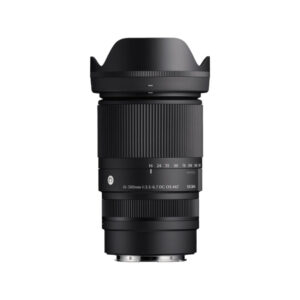
Best Sigma Zoom for Flexibility: Sigma 24-70mm f/2.8 DG DN Art
Not every moment allows time to swap lenses, and weddings move fast. The Sigma 24-70mm f/2.8 DG DN Art covers the most commonly used focal range in one lens, from wide venue shots to tighter half-body portraits, without sacrificing much sharpness compared to Sigma’s prime lenses.
This is the lens most photographers keep mounted during the getting-ready phase of the day, when space is tight, subjects move unpredictably, and there is no time to think about which prime to reach for. The constant f/2.8 aperture also holds up reasonably well in dim indoor settings, making it a dependable backup when the faster primes are not practical for the shot.
Best Sigma Lens for Candid and Stage Photography: Sigma 70-200mm f/2.8 DG DN Art
Some of the most valuable wedding photographs are the ones the subjects never notice being taken — a grandmother wiping away tears, a groom laughing with friends, a bride catching her mother’s eye across the room. Getting these shots usually means shooting from a distance so as not to disrupt the moment, which is where the Sigma 70-200mm f/2.8 DG DN Art comes in.
It also earns its place during stage ceremonies, where photographers are often kept back from the action and need reach to capture close, detailed expressions from far away. The f/2.8 aperture throughout the zoom range keeps the lens usable even as hall lighting dims later in the evening.
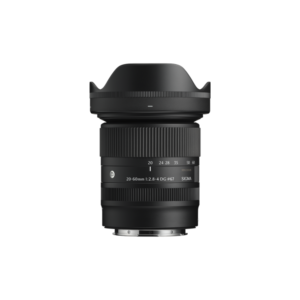
Best Budget-Friendly Option: Sigma 18-50mm f/2.8 DC DN
Not every photographer working this wedding season is shooting on a full-frame body, and not every budget stretches to Art-series primes. For APS-C shooters or those building a kit gradually, the Sigma 18-50mm f/2.8 DC DN offers a genuinely useful range at a fraction of the cost of the full-frame options above. It is compact, fast enough for most indoor situations, and sharp enough to deliver client-ready results. This is a smart starting lens for photographers early in their wedding photography career, or as a lightweight second-camera option for shooters who already carry heavier full-frame gear.
Matching Lenses to Wedding Events
A useful way to think about lens selection is by matching gear to the specific event rather than trying to cover the whole day with one setup. Holud ceremonies tend to happen outdoors or in open, brightly lit spaces with strong colors from flowers and clothing — a standard zoom like the 24-70mm handles this well, with the option to switch to the 85mm for tighter portrait moments.
Mehndi events often move indoors with softer lighting and more intimate framing, making the 35mm a strong all-around choice. Reception and stage ceremonies are where the 70-200mm and the fast primes earn their keep, since lighting is dimmer and photographers often need to work from a distance without disturbing the formal proceedings.
Buying Considerations for the Bangladesh Market
Buying camera lenses in Bangladesh comes with a few local realities worth keeping in mind. Genuine Sigma lenses purchased through an authorized distributor like Hope Enterprises come with proper warranty coverage, which matters given how heavily wedding season gear gets used. Grey-market or unofficial imports may look identical but often lack local warranty support, and repair parts for these units can be difficult to source if something goes wrong mid-season. .
It is also worth checking lens mount compatibility carefully before buying, since Sigma produces versions for multiple mounts, and a mismatch means an unusable lens regardless of how good the optics are. For photographers building a kit this season, buying from a distributor that offers installment or EMI options can also make it realistic to acquire more than one lens before the wedding rush begins in November.
Caring for Your Lenses During Wedding Season
Wedding season in Bangladesh means back-to-back shoots with little downtime between events, which increases the wear and tear on equipment. Dust from outdoor holud ceremonies, humidity in enclosed halls, and the sheer volume of use over a few months all take a toll. A simple habit of wiping down lenses after each event, using a lens cap between shoots, and storing gear in a dry bag or cabinet overnight goes a long way toward keeping equipment performing well through the entire season.
Photographers running back-to-back bookings should also budget time for a mid-season sensor and lens cleaning, since dust buildup from constant lens changes can start showing up in images by December or January.
Renting vs. Buying Before the Season Starts
Photographers weighing whether to rent or buy ahead of a busy season should think about how many bookings they realistically expect between November and February. If wedding photography is a core part of your income rather than occasional work, buying makes more financial sense even with a larger upfront cost, since rental fees across a full season often add up to more than the price of owning the lens outright.
Renting still has its place for a one-off booking that calls for a specialty lens outside your usual kit, such as an ultra-wide for a particularly large venue. For most working photographers building a long-term kit, though, owning core lenses like the 35mm and 85mm primes pays for itself within a single busy season.
Questions About Wedding Photography Lenses
They serve different purposes rather than competing with each other. The 24-70mm is the safer, more flexible choice when you cannot predict what the next moment will demand, while the 35mm prime delivers a noticeably brighter aperture and sharper rendering for low-light reception work. Photographers who can only afford one lens to start usually choose the zoom for its versatility, then add the 35mm prime once budget allows
In most cases, yes, especially paired with a camera body that handles higher ISO values cleanly. For particularly dim halls or venues lit mainly by candlelight and string lights, an f/1.4 prime like the 35mm or 85mm gives noticeably more breathing room, which is why many photographers carry both a 2.8 zoom and at least one fast prime.
It depends on how committed you already are to wedding photography as a business. The 18-50mm f/2.8 DC DN is a sensible starting point for photographers still building a client base, since it delivers professional-looking results without the higher cost of full-frame Art lenses. Once bookings and budget grow, moving up to the Art series primes is a natural next step.
Buying through an authorized distributor is the most reliable way to confirm authenticity, since genuine units come with proper packaging, serial numbers that match manufacturer records, and local warranty coverage. Hope Enterprises, as an official Sigma distributor in Bangladesh, verifies this for every unit sold.
Final Thoughts
Winter wedding season in Bangladesh rewards photographers who show up prepared rather than photographers who show up with the most expensive gear. A well-matched Sigma kit — built around a fast portrait prime, a versatile standard zoom, and a longer lens for candid and stage work — covers nearly every situation a wedding day presents.
Whether you are investing in your first Art-series prime or filling out a kit that already handles most situations, choosing lenses that match the actual demands of a Bangladeshi wedding day will do more for your results than chasing specs on paper.
For genuine Sigma lenses with proper local warranty support, Hope Enterprises remains the trusted distributor for photographers across Bangladesh building their kit ahead of this year’s wedding season.