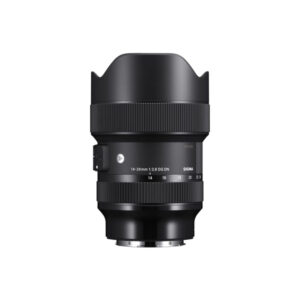
Walk into most camera shops and you’ll be offered a stack of filters before you’ve even finished paying for the lens. Some of that gear genuinely improves your photography; a lot of it just sits unused in a bag. This guide cuts through the noise and explains, in plain terms, what UV, ND, and polarizer filters actually do, which ones are worth buying for a Sigma lens, and which accessories are genuinely useful versus nice-to-have.
UV Filters: Protection First, Optical Effect Second
A UV filter’s original purpose — cutting ultraviolet haze on film — is largely irrelevant on digital sensors. Today, its real job is physical protection: a thin, replaceable piece of glass that takes the scratches, dust, and accidental knocks that would otherwise land directly on the front element of an expensive Sigma lens. For everyday shooting in Bangladesh’s dusty streets or sandy coastlines, a good-quality multi-coated UV filter is cheap insurance. The caveat is quality — a poor UV filter can introduce flare or a slight softness, so it’s worth spending a little more for a proper multi-coated one rather than the cheapest option available.
ND Filters: Controlling Light Without Changing Aperture
A neutral density (ND) filter reduces the amount of light entering the lens without affecting color, letting you use a slower shutter speed or wider aperture than the ambient light would normally allow. This matters for two common scenarios in Bangladesh: shooting video at a cinematic shutter speed in bright outdoor daylight, and creating long-exposure effects — silky water at a waterfall in Sylhet, smooth cloud motion over the Sundarbans, or blurred crowd movement at a busy market — during daytime rather than only at night.
For video shooters using fast Sigma primes like the 16mm, 30mm, or 56mm f/1.4, a variable ND filter is particularly useful — it lets you keep the aperture wide for a shallow depth of field even in harsh midday sun, which would otherwise force a much smaller aperture just to avoid overexposure.
Polarizer Filters: Cutting Glare and Deepening Color
A circular polarizer (CPL) is arguably the single most impactful filter for landscape and outdoor photography in Bangladesh. It cuts reflections off water and wet leaves, reduces atmospheric haze, and deepens blue skies — all effects that are difficult or impossible to fully replicate in editing. For Cox’s Bazar beach photography, a polarizer can cut the glare off wet sand and water to reveal color and texture that would otherwise wash out. For the Sundarbans’ waterways, it reduces surface reflections, making it easier to see beneath the water or photograph riverbank wildlife without a glare overlay.
Comparing the Three Core Filter Types
| Filter Type | Main Purpose | Best Use Case |
| UV Filter | Physical protection for front element | Everyday, dusty or coastal shooting |
| ND Filter | Reduces light for slower shutter/wider aperture | Daytime video, long exposures |
| Polarizer (CPL) | Cuts glare, deepens sky/water color | Landscape, beach, water scenes |
Accessories Worth Buying Alongside Your Sigma Lens
- Lens hood — reduces flare and doubles as impact protection for the front element.
- Rocket blower and microfiber cloth — the two essential cleaning tools for daily use.
- Padded lens pouch or case — protects glass during transport, especially on rough roads.
- Silica gel packets — a low-cost first line of defense against humidity in storage.
- Rain cover — inexpensive and essential during monsoon-season shoots.
Accessories You Probably Don’t Need Right Away
Not every accessory earns its place immediately. Specialty filters like star effect or diffusion filters serve very specific creative looks that most photographers use rarely, if ever. Step-up ring sets are only necessary once you own multiple lenses with different filter thread sizes and want to share one filter across them — a genuine convenience, but not a day-one purchase. It’s usually smarter to start with a UV filter, a lens hood, and basic cleaning tools, then add an ND or polarizer once a specific shooting need — video work, or landscape and water photography — actually comes up.
Choosing the Right Filter Size for Your Sigma Lens
Sigma lenses use different filter thread diameters depending on the model — for example, the 18-50mm f/2.8 and the 16mm f/1.4 don’t necessarily share the same thread size. Always check the filter thread diameter printed on the lens barrel or in the specification sheet before buying, since a filter that doesn’t match won’t screw on at all. If you own multiple Sigma lenses with different thread sizes, a step-up ring set becomes genuinely worthwhile, letting one larger filter serve several lenses.
How Filters Affect Autofocus and Image Stabilization
A poorly made or overly thick filter can occasionally interfere with a lens’s autofocus speed or introduce slight vignetting at wider focal lengths, particularly on wide-angle Sigma lenses like the 16mm f/1.4 where even a small amount of extra glass at the front can affect edge performance. This is another reason quality matters more than price when choosing a filter — a thin-profile, multi-coated filter from a reputable brand avoids these issues almost entirely, while a bargain filter bought purely on price can quietly undermine the performance of an otherwise excellent lens. If you notice softer corners or slower autofocus after adding a new filter, it’s worth testing the lens without it to confirm whether the filter itself is the cause.
Stacking Filters: When It Works and When It Doesn’t
It’s technically possible to stack a UV filter, polarizer, and ND filter together, but each additional layer of glass increases the risk of flare, ghosting, and vignetting, especially on wide-angle lenses. A more practical approach is to choose one primary filter for the shooting situation — a polarizer for a landscape session, an ND filter for a video shoot — rather than defaulting to stacking everything at once. For photographers who frequently switch between needs, a filter holder system that allows quick swaps without unscrewing threaded filters can save significant time on location, though this is more of a workflow upgrade than an essential purchase for most Sigma lens owners in Bangladesh.
Caring for Filters Alongside Your Lens
Filters need the same basic care as the lens itself — a UV or polarizer filter left dirty defeats its own purpose, since dust or smudges on the filter surface degrade the image just as much as marks on the lens itself would. Clean filters using the same blower-brush-cloth order described for lenses, and store them in individual cases or slots rather than loose in a bag, where the threaded edges can scratch against other gear. A scratched or chipped filter should be replaced rather than kept in use, since a damaged filter’s protective purpose is compromised and it may even be harder to remove safely from the lens thread.
Buying Genuine Filters and Accessories in Bangladesh
Cheap, uncoated filters are common in the local market and can noticeably degrade image quality, introducing flare or a slight color cast that’s hard to correct later. Hope Enterprises, as the official Sigma distributor in Bangladesh, supplies genuine lenses and can guide buyers toward compatible, quality accessories that won’t undercut the lens’s own optical performance.
Building a Filter Kit Gradually
There’s no need to buy every filter type on day one. A sensible progression starts with a UV filter and lens hood at the time of lens purchase, adds a circular polarizer once landscape, water, or outdoor portrait work becomes a regular part of your shooting, and brings in an ND or variable ND filter only once video work or long-exposure daytime shots specifically call for it. This staged approach avoids spending on accessories that end up unused while still ensuring the right tool is on hand by the time a specific creative need arises.
Frequently Asked Questions
Yes — a hood controls flare and physical bumps but does not protect the glass from scratches or dust the way a UV filter does.
Only if the filter thread size matches or you use step-up rings to adapt it across different lenses.
A quality multi-coated polarizer has minimal impact on sharpness; cheap uncoated versions can introduce softness or color shift.
A UV filter for protection and, if you shoot landscapes or water scenes, a circular polarizer as the second purchase.
Hope Enterprises, the official Sigma distributor, supplies genuine lenses and can advise on compatible accessories.
Filters and accessories are easy to over-buy and under-use. Start with protection and cleaning essentials, add a polarizer or ND filter once a specific shoot calls for it, and always check thread compatibility before purchasing — a small step that saves both money and disappointment.