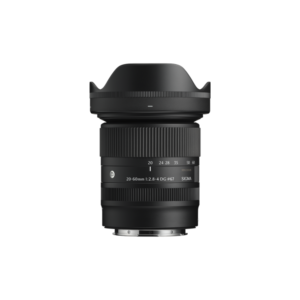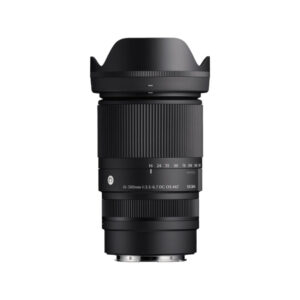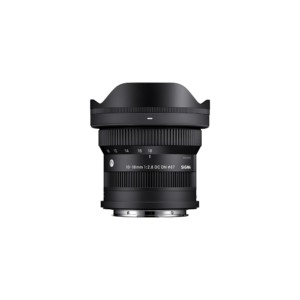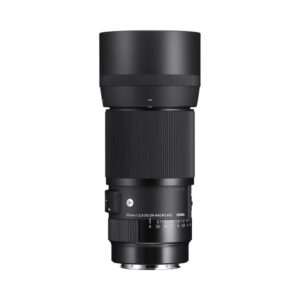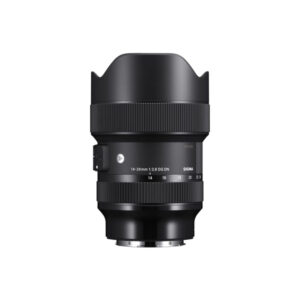
A Sigma lens is not a cheap accessory — it is a long-term investment that, with the right care, can outlast several camera bodies. But Bangladesh’s climate is not kind to precision glass. Humidity levels above 70% for most of the year, heavy monsoon rain from June to September, dust from unpaved roads and city traffic, and sudden temperature swings between air-conditioned rooms and outdoor shoots all combine to create the exact conditions that cause fungus growth, haze, and mechanical wear inside a lens. This guide walks through practical, Bangladesh-specific care routines that photographers and videographers can start using today to protect their Sigma glass, whether it’s an Art series prime, a Contemporary zoom, or a Sports telephoto.
Why Bangladesh’s Climate Is Especially Hard on Camera Lenses
Fungus is the single biggest lens killer in this region, and it isn’t a myth. Fungal spores are present in the air almost everywhere, and they only need two conditions to take hold inside a lens: trapped moisture and darkness. A closed camera bag left in a humid room for a few weeks is essentially an incubator. Once fungus takes root on an internal element, it etches the glass coating permanently — cleaning removes the growth but not the damage, and the lens is never quite as sharp again.
Beyond fungus, Bangladesh’s dust — a mix of construction dust, vehicle exhaust particulates, and dry-season grit — works its way into zoom and focus rings over time, making them feel gritty or stiff. And the monsoon brings a different risk entirely: rain splashing onto front elements, humidity fogging the barrel from the inside during a sudden downpour after a hot day, and the temptation to keep shooting through light rain without any real protection.
Daily Handling Habits That Prevent Long-Term Damage
Most lens damage doesn’t happen in one dramatic moment — it accumulates from small habits repeated over months. Building a few simple routines into every shoot makes the biggest difference of all.
- Always cap the lens immediately after use, front and rear, even for a five-minute break.
- Never change lenses in dusty or windy outdoor locations — step into a doorway, vehicle, or use a jacket as a makeshift shield.
- Wipe the front element with a microfiber cloth using gentle circular motions — never a shirt sleeve or tissue paper, both of which scratch coatings.
- Keep a rocket blower in your bag to blow away loose dust before it gets rubbed into the glass by cloth.
- Avoid touching the front element with fingers — skin oils attract dust and are harder to clean off without smearing.
- Let a lens acclimatize for 15–20 minutes in its bag before opening it after moving from an air-conditioned space to outdoor heat, to prevent internal condensation.
Cleaning a Sigma Lens the Right Way
Cleaning should be minimal and deliberate, not a daily ritual. Over-cleaning is itself a cause of micro-scratches on lens coatings. The correct order is: blower first, brush second, cloth third, and liquid solution only as a last resort.
Start with a rocket blower to remove loose particles without contact. Follow with a soft lens brush for anything the air alone didn’t shift. Only then use a clean microfiber cloth, folded to a fresh section for each pass, working from the center of the glass outward in gentle circles. If a smudge remains — usually from a fingerprint or rain splash residue — add one or two drops of a proper lens cleaning solution to the cloth, never directly onto the glass, and repeat the circular wipe. For the lens barrel, zoom ring, and mount contacts, a dry microfiber cloth or a soft brush is normally enough; avoid any liquid near the electronic contacts on the rear mount.
Storage: The Single Biggest Factor in Preventing Fungus
How a lens is stored between shoots matters more than almost anything else for long-term health. The goal is to keep humidity low and airflow present, which is the opposite of sealing a lens inside a closed bag on a shelf.
| Storage Method | Effectiveness in Bangladesh | Notes |
| Dry cabinet with hygrometer | Excellent | Best long-term solution; keep humidity between 40–50% |
| Silica gel + airtight container | Good, needs monitoring | Recharge or replace silica packs monthly in monsoon season |
| Open shelf, lens cap only | Poor | Exposes glass to dust and ambient humidity swings |
| Sealed camera bag, unused for weeks | Very Poor | Traps moisture; highest fungus risk |
A dedicated dry cabinet is the gold standard, and increasingly affordable models are available for creators who own multiple lenses. For photographers with one or two lenses just starting out, an airtight plastic container with fresh silica gel packets is a practical and inexpensive alternative — just remember silica gel loses effectiveness once saturated and needs regular replacement, especially during the June–September monsoon months when ambient humidity is highest.
Monsoon-Specific Protection
Shooting through Bangladesh’s rainy season doesn’t have to mean leaving the Sigma lens at home. A rain cover or even a large ziplock bag with a hole cut for the lens hood provides basic protection for short outdoor sessions. Always keep a dry microfiber cloth in an outer, easily reachable pocket to wipe water off the front element between shots — water droplets left on glass for extended periods can seep past the lens hood threads. After any shoot in rain or high humidity, don’t pack the lens away wet; let it air-dry at room temperature with the caps off for at least 30 minutes before storage.
Warning Signs You Shouldn’t Ignore
- A faint web-like or branching pattern visible when shining a torch through the lens at an angle — early-stage fungus.
- A hazy, low-contrast look to images that wasn’t there before, even after cleaning the front element.
- Grinding, stiff, or uneven resistance in the zoom or focus ring.
- Visible moisture or condensation trapped between internal elements.
- A musty smell from the lens bag or case.
Any of these signs mean it’s time for a professional inspection rather than a home fix. Attempting to open a lens without the right tools and a clean environment almost always causes more damage than it solves.
Building a Simple Weekly and Monthly Maintenance Routine
Consistency beats intensity when it comes to lens care. A photographer who spends two minutes a week on basic maintenance will almost always have healthier gear than one who does an intensive deep-clean once a year. After each week of regular use, a quick visual check under a torch or strong light — looking through the lens from both ends — takes less than a minute and catches early fungus or dust buildup before it becomes a real problem. On a monthly basis, it’s worth checking silica gel packets for saturation (many indicating types turn from blue to pink when they need replacing), wiping down the exterior barrel and mount contacts with a dry cloth, and confirming that zoom and focus rings still move smoothly without grinding.
Traveling With Sigma Lenses Within Bangladesh
Domestic travel — whether to Cox’s Bazar, Sylhet’s tea gardens, or the Sundarbans — adds its own maintenance considerations on top of daily handling. Bus and boat journeys expose gear to vibration, sudden temperature changes between air-conditioned vehicles and humid outdoor air, and higher dust levels than a typical home or studio environment. A padded lens case rather than a loose backpack pocket absorbs vibration and impact far better, and packing silica gel sachets inside the case adds a portable humidity buffer even without a full dry cabinet at hand. When moving between an air-conditioned bus and Bangladesh’s outdoor heat and humidity, resist the urge to immediately start shooting — give the lens 15 to 20 minutes inside its closed bag to reach ambient temperature first, which prevents the internal condensation that would otherwise fog the glass from the inside.
Common Mistakes Bangladeshi Photographers Make With Lens Care
A few recurring habits show up again and again in gear that comes in for servicing. The most common is storing a lens inside its original box or a sealed bag for weeks without any airflow or desiccant — this actually accelerates fungus growth rather than preventing it, since the enclosed space traps humidity against the glass. A second common mistake is using compressed air canisters instead of a manual rocket blower; canned air can release moisture or propellant residue onto the lens in humid conditions, whereas a simple squeeze blower avoids that risk entirely. A third is neglecting the rear lens cap and mount, focusing all cleaning attention on the front element while dust and moisture quietly accumulate at the back, closer to the camera’s sensor.
When Professional Servicing Makes Sense
Not every issue needs a service center visit, but some genuinely do. Early-stage haze from dust or light residue can often be resolved at home with correct cleaning technique. Active fungus growth, internal moisture, or a focus ring that has developed real mechanical resistance are different — these require disassembly in a controlled, dust-free environment with the right tools, something that isn’t realistic to attempt at home even for an experienced photographer. Attempting a DIY fix on these issues is one of the most common ways a recoverable problem turns into permanent damage, since reassembling internal elements incorrectly can introduce dust, misalign optical groups, or damage seals that were previously intact.
Where to Get Genuine Sigma Lenses and Support in Bangladesh
Good maintenance starts with a genuine lens in the first place — grey-market or counterfeit units often use inferior coatings and seals that fail faster in humid conditions. Hope Enterprises is Bangladesh’s official Sigma distributor, offering authentic lenses with proper warranty coverage and after-sales support for photographers and filmmakers across the country.
Frequently Asked Questions
Only when visibly needed — front element cleaning every few weeks of regular use is typical. Over-cleaning risks coating damage.
A professional can remove active fungus growth, but the etching it leaves on the coating is usually permanent and may slightly affect contrast.
Not strictly — an airtight box with fresh silica gel is a workable budget alternative, though a small dry cabinet is worth it if you plan to grow your kit.
No — tissue paper and cloth from clothing can leave micro-scratches. Always use a proper microfiber lens cloth.
Hope Enterprises supports genuine Sigma lens buyers in Bangladesh with warranty and after-sales guidance — contact them directly for servicing options.
Protecting a Sigma lens in Bangladesh isn’t complicated, but it does require consistency: cap it, keep it dry, store it with airflow or desiccant, and clean it sparingly and correctly. Photographers who build these habits early rarely deal with fungus or haze issues, and their lenses hold their resale value and image quality for years longer than gear that’s left to fend for itself in a humid closet.