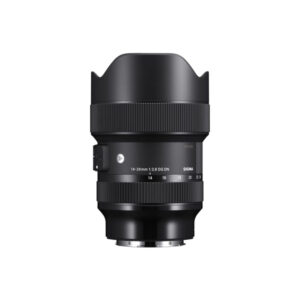
Whether you are just starting your photography journey or are already a seasoned professional, choosing the right camera lens is one of the most important decisions you will make. In Bangladesh, the photography market has grown significantly over the past few years, with more photographers than ever seeking high-quality camera lenses for portraits, events, wildlife, and commercial work. This comprehensive guide covers the top 10 camera lenses every photographer should own, along with a buying guide, brand comparisons, and pricing information specific to Bangladesh.
Why Choosing the Right Camera Lens Matters
Many photographers focus heavily on camera bodies, but professional photographers know that lenses are where the real magic happens. A high-quality lens can transform an average camera into a powerful creative tool, while a poor lens can limit even the most advanced camera body.
Impact on Image Quality
The lens you choose directly determines the sharpness, clarity, color rendering, and overall quality of your images. Key optical factors that vary between lenses include:
- Sharpness and resolving power across the frame
- Bokeh quality — the smooth, pleasing blur in the background
- Maximum aperture, which determines how much light the lens lets in
- Chromatic aberration and distortion control
- Autofocus speed and accuracy for moving subjects
Investing in quality glass pays dividends across every photograph you take, regardless of which camera body you are using.
Different Photography Styles Require Different Lenses
There is no single lens that does everything perfectly. Portrait photographers need wide apertures and flattering compression, while landscape photographers need wide angles and edge-to-edge sharpness. Wildlife photographers need long reach and fast autofocus, while street photographers value compact size and discretion. Understanding your primary shooting style is the first step to building the right lens kit.
Factors to Consider Before Buying a Camera Lens
Before spending your money on a new lens, it is important to evaluate several key factors to make sure you are getting the best value and the right tool for your needs.
Camera Compatibility
Not every lens works with every camera. Lens compatibility depends on the mount system your camera uses. Common mount systems available in Bangladesh include:
- Canon EF and RF mounts for Canon DSLRs and mirrorless cameras
- Nikon F and Z mounts for Nikon DSLRs and mirrorless cameras
- Sony E-mount for Sony Alpha mirrorless cameras
- Sigma and Tamron third-party lenses available in multiple mounts
Always confirm mount compatibility before purchasing, as adapters can sometimes compromise autofocus performance.
Focal Length Explained
Focal length, measured in millimeters, determines the angle of view and magnification of a lens. Here is a quick breakdown:
- Ultra-wide (10–20mm): Architecture, interiors, dramatic landscapes
- Wide-angle (24–35mm): Street photography, environmental portraits, landscapes
- Standard (50mm): Closest to the natural human eye perspective
- Short telephoto (85–105mm): Portrait photography with flattering compression
- Telephoto (70–200mm): Events, sports, wildlife at medium distances
- Super telephoto (300mm+): Bird photography, distant wildlife, sports
Aperture Performance
The maximum aperture of a lens — denoted as f/1.4, f/1.8, f/2.8, etc. — determines how much light the lens can gather. Fast aperture lenses (f/1.8 or wider) allow shooting in low-light conditions without raising ISO, and produce beautiful background blur. Lenses with wide maximum apertures are generally more expensive but deliver a significant advantage in versatile shooting conditions.
Budget Considerations
Camera lens prices in Bangladesh vary widely depending on the brand, focal length, maximum aperture, and build quality. Setting a realistic budget before shopping helps narrow down your choices. Third-party manufacturers like Sigma and Tamron often offer exceptional value, delivering image quality close to or matching first-party lenses at a lower price point.
Top 10 Camera Lenses Every Photographer Should Own
Here are the ten essential camera lenses that belong in every serious photographer’s bag, selected based on versatility, image quality, and value.
1. 50mm f/1.8 Prime Lens
Often called the “nifty fifty,” the 50mm f/1.8 prime lens is the single best lens to own for any photographer at any skill level. It produces sharp, natural-looking images with beautiful bokeh at a price point that is difficult to beat. Every major camera brand — Canon, Nikon, Sony, and Sigma — offers a version of this lens. It excels at portrait photography, low-light shooting, and everyday street photography. If you could only own one lens, this would be it.
2. 24-70mm f/2.8 Standard Zoom Lens
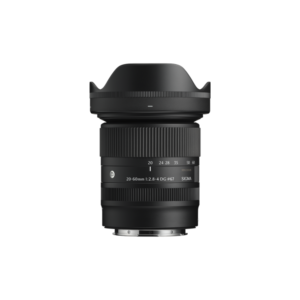
The 24-70mm f/2.8 is the workhorse zoom lens of professional photographers worldwide. It covers wide-angle through short telephoto in a single barrel, making it ideal for weddings, events, commercial work, and photojournalism. The constant f/2.8 aperture ensures consistent exposure throughout the zoom range, and the versatility of this focal range means you can cover most shooting situations without changing lenses. Both Canon, Nikon, Sony, Sigma, and Tamron offer excellent versions of this zoom lens.
3. 70-200mm f/2.8 Telephoto Lens
The 70-200mm f/2.8 telephoto zoom is another staple of professional photographers, particularly those shooting events, portraits, and sports. The longer focal lengths provide flattering subject compression and allow you to capture candid, natural expressions from a comfortable distance. At f/2.8, this lens performs well in indoor venues and stadium lighting. It pairs perfectly with the 24-70mm to provide full coverage from wide to telephoto.
4. 16-35mm Wide-Angle Lens
For landscape photographers, architectural photographers, and anyone who needs to capture grand scenes in tight spaces, a 16-35mm wide-angle lens is indispensable. This focal range allows you to include vast amounts of the scene in a single frame, creating dramatic leading lines and expansive compositions. In Bangladesh, where architectural diversity and natural landscapes are abundant, this lens opens up creative possibilities that standard zoom lenses simply cannot achieve.
5. 85mm Portrait Lens
The 85mm prime lens is widely regarded as the finest portrait photography lens available. The focal length provides flattering compression that makes faces look natural and proportional, while the wide aperture — typically f/1.4 or f/1.8 — produces an extremely smooth, creamy bokeh that separates subjects from backgrounds beautifully. Professional portrait, wedding, and fashion photographers consistently list the 85mm as one of their most-used lenses. Sigma’s 85mm f/1.4 Art lens is a particularly outstanding option available in Bangladesh.
6. 100mm Macro Lens
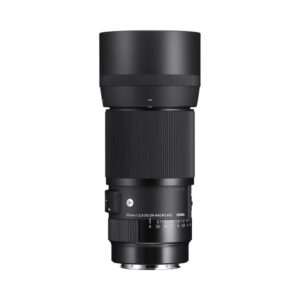
Macro photography reveals a world invisible to the naked eye — the intricate detail of flower petals, the texture of insects, the fine craftsmanship of jewelry and products. A 100mm macro lens allows true 1:1 magnification, meaning the subject is captured at its actual size on the sensor. Beyond macro work, this focal length is also excellent for portrait photography. Product photographers in Bangladesh will find a macro lens invaluable for e-commerce and catalogue work.
7. 24-105mm Zoom Lens
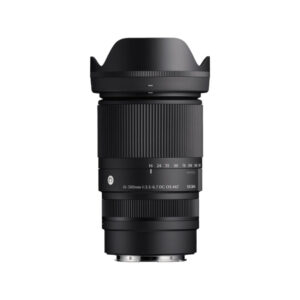
The 24-105mm zoom lens is arguably the most practical travel photography lens available. It covers a wider range than the 24-70mm, extending into medium telephoto territory, making it useful for everything from landscape scenes to candid portraits of people. While typically offering a maximum aperture of f/4, the sheer versatility of this focal range makes it an excellent all-purpose lens for photographers who prefer to travel light with a single lens option.
8. 35mm Prime Lens
The 35mm prime lens occupies a sweet spot between wide-angle and standard perspective, making it one of the most beloved lenses for street photography, documentary work, and environmental portraiture. It is wide enough to include context and surroundings, yet tight enough to bring subjects close to the viewer. The compact size of most 35mm primes makes them unobtrusive in public settings, which is essential for candid street photography in busy Bangladeshi cities like Dhaka and Chittagong.
9. 150-600mm Telephoto Lens
For wildlife and bird photographers, extreme reach is not a luxury — it is a requirement. The 150-600mm super telephoto zoom allows photographers to capture distant birds, animals, and subjects in their natural environment without disturbing them. Sigma and Tamron both offer outstanding 150-600mm zoom lenses that deliver exceptional image quality at a fraction of the cost of equivalent first-party manufacturer lenses. Bangladesh’s rich natural heritage, including the Sundarbans and its remarkable biodiversity, makes this lens particularly relevant for local wildlife photographers.
10. 14mm Ultra-Wide Lens
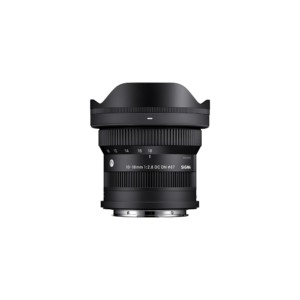
The 14mm ultra-wide lens pushes the boundaries of what wide-angle photography can achieve. It is the go-to choice for architectural photographers who need to capture tall buildings in tight urban spaces, interior designers documenting rooms, and creative photographers looking for dramatic, exaggerated perspectives. Astrophotographers also favor ultra-wide lenses for capturing the Milky Way across expansive night skies. The 14mm field of view is dramatic and commanding, producing images that immediately command attention.
Prime vs Zoom Lenses: Which One Should You Choose?
One of the most debated topics in photography is whether prime lenses or zoom lenses are superior. The honest answer is that both have their place, and the best photographers use both depending on the situation.
Advantages of Prime Lenses
Prime lenses offer several distinct advantages that make them irreplaceable for many photographers:
- Superior optical quality, with fewer lens elements means less distortion and aberration
- Wider maximum apertures at a given price point compared to zoom lenses
- Smaller, lighter, and more compact body
- Forces the photographer to think more carefully about composition and movement
- Generally less expensive for equivalent optical quality
Advantages of Zoom Lenses
Zoom lenses offer their own compelling set of advantages, particularly for working photographers:
- Single lens covers multiple focal lengths, reducing the need for lens changes
- Ideal for fast-moving situations such as events and sports where switching lenses is impractical
- Consistent aperture across zoom range in professional-grade versions
- More practical for travel and documentary work where versatility matters most
- Reduces the number of lenses needed to carry on assignment
Best Camera Lens Brands Available in Bangladesh
Several major camera lens brands are available in Bangladesh, ranging from first-party manufacturers to excellent third-party alternatives. Each brand has particular strengths that make them stand out.
Canon Lenses
Canon produces two primary lens lines for their camera systems: the EF mount for DSLR cameras and the newer RF mount for their mirrorless EOS R lineup. Canon RF lenses are among the most optically advanced lenses available today, taking advantage of the short flange distance of the mirrorless mount to deliver exceptional performance. Canon lenses are widely available across Bangladesh through authorized retailers.
Sony Lenses
Sony’s FE-mount lens lineup for their Alpha mirrorless cameras has matured significantly, with an impressive range of G Master series lenses that represent the pinnacle of optical engineering. Sony G Master lenses are built for professional use and deliver exceptional sharpness, rendering, and autofocus performance. Sony mirrorless cameras have become increasingly popular among Bangladeshi photographers, driving demand for their FE-mount lenses.
Nikon Lenses
Nikon offers both their legacy F-mount lenses for DSLR cameras and the newer Z-mount lenses for their mirrorless Z-series cameras. Nikon Z lenses have received widespread acclaim for their optical quality, with several models being considered class-leading performers. Nikon’s long history in Bangladesh means their products are well-supported through local service centers.
Sigma Lenses
Sigma has transformed from a budget brand into a manufacturer of world-class optics through their Art, Sports, and Contemporary lens lines. Sigma Art lenses in particular are celebrated for delivering image quality that rivals or exceeds first-party manufacturer lenses at a more accessible price point. Hope Enterprises serves as the authorized SIGMA distributor in Bangladesh, ensuring that customers have access to genuine Sigma products with full warranty support and after-sales service. Sigma lenses are available in Canon EF, Nikon F, Sony E, and Leica L mounts.
Tamron Lenses
Tamron has established itself as one of the most innovative third-party lens manufacturers, frequently releasing zoom lenses with outstanding optical quality and unique specifications at competitive prices. Their SP series zoom lenses — particularly the 17-28mm f/2.8, 28-75mm f/2.8, and 70-180mm f/2.8 — are extremely popular among Sony mirrorless users for their compact size combined with professional-grade performance.
Samyang Lenses
Samyang lenses offer an affordable entry point into high-quality glass, particularly for photographers who prefer manual focus operation. Their range of cine lenses is popular among videographers and filmmakers, while their wide-angle and fisheye lenses are widely used by landscape and architectural photographers. Samyang’s price-to-quality ratio makes them an attractive option for photographers building their lens kit on a tighter budget.
Camera Lens Price Range in Bangladesh
Camera lens prices in Bangladesh span a wide range depending on brand, focal length, and maximum aperture. Here is a general overview of what photographers can expect to pay across different budget categories.
Budget Lenses
Budget-friendly camera lenses in Bangladesh typically range from BDT 8,000 to BDT 25,000. This category includes kit lenses bundled with cameras, entry-level prime lenses like the 50mm f/1.8, and basic telephoto zoom lenses. These lenses are ideal for beginners learning the craft and photographers who need a functional option without a major investment. Despite their lower price, many budget lenses produce very respectable image quality in good lighting conditions.
Mid-Range Lenses
Mid-range lenses in Bangladesh fall between BDT 25,000 and BDT 80,000. This category includes many Sigma Contemporary and Tamron lenses, higher-quality zoom lenses, and first-party standard zoom options. Mid-range lenses typically offer significantly better build quality, faster and more accurate autofocus, and superior optical performance compared to budget options. This is the sweet spot for enthusiast photographers who want professional results without professional prices.
Professional Lenses
Professional-grade lenses in Bangladesh start at approximately BDT 80,000 and can extend well above BDT 300,000 for top-tier telephoto and specialty lenses. This category includes Sigma Art series lenses, Canon L-series, Sony G Master, and Nikon S-line optics. Professional lenses deliver the highest optical quality, fastest autofocus systems, weather-sealed construction, and durability built for daily professional use. For working photographers, these lenses are long-term investments that pay for themselves through years of reliable performance.
Where to Buy Camera Lenses in Bangladesh
Purchasing camera lenses from a reliable, authorized source is essential to ensure product authenticity, valid warranty coverage, and access to after-sales support. Photographers in Bangladesh have several purchasing options:
- Authorized brand distributors and dealers in Dhaka, Chittagong, and other major cities
- Hope Enterprises — the authorized SIGMA distributor serving both Bangladesh and Pakistan, offering genuine Sigma lenses with full warranty support
- Reputable camera shops concentrated in Dhaka’s Elephant Road and New Market areas
- Official brand websites and authorized online retailers for select products
When purchasing a camera lens, always insist on official warranty documentation and purchase receipts. Avoid grey-market imports, which may lack proper warranty support and could be counterfeit products.
Final Thoughts
Building a quality lens collection does not happen overnight, and it should not. The best approach is to start with one or two versatile lenses that match your primary photography style, learn them thoroughly, and then expand your collection as your skills and specific needs grow. The ten lenses covered in this guide represent a comprehensive toolkit that can handle virtually any photographic situation you encounter.
For photographers in Bangladesh, the combination of world-class brands like Sigma — available through authorized distributors like Hope Enterprises — and the growing local photography community makes this an exciting time to invest in quality camera lenses. Whether you are a beginner purchasing your first prime lens or a professional expanding into new focal lengths, the right lens will elevate your photography to new heights.
FAQs
Which camera lens is best for beginners?
The best beginner camera lens is the 50mm f/1.8 prime lens. It is affordable, teaches proper composition technique since it has a fixed focal length, delivers excellent image quality including beautiful bokeh, and works well in low light. Almost every major camera brand offers a 50mm f/1.8 at an accessible price point, making it the ideal first lens upgrade beyond the kit lens that comes packaged with your camera.
What lens should every photographer own?
Every photographer should own at minimum a versatile standard zoom lens — ideally a 24-70mm f/2.8 — and a quality prime lens such as the 50mm f/1.8 or 85mm f/1.8. Together, these two lenses cover a wide range of photographic situations. If budget is a concern, a single 50mm f/1.8 prime lens is the most universally useful lens a photographer can own.
Which lens is best for portrait photography?
The 85mm f/1.4 or f/1.8 is widely considered the best portrait photography lens. The focal length provides flattering subject compression that makes facial features look natural and proportional, while the wide maximum aperture creates smooth, buttery background blur that makes subjects stand out beautifully. The 50mm f/1.8 is also an excellent and more affordable portrait option, particularly when working in tighter indoor spaces.
Are prime lenses better than zoom lenses?
Prime lenses and zoom lenses each have their own advantages, and neither is universally better. Prime lenses generally deliver superior optical quality and wider maximum apertures at lower prices, making them ideal for portrait photography, low-light work, and photographers who want the sharpest possible images. Zoom lenses offer greater versatility and convenience, making them better suited for events, travel, and situations where quickly changing focal lengths is a priority. Most serious photographers own and use both.
Which lens is best for wildlife photography?
For wildlife and bird photography, a telephoto lens with significant reach is essential. The 150-600mm super telephoto zoom from Sigma or Tamron is one of the best value options available for wildlife photographers in Bangladesh. It provides enough reach to capture birds and animals from safe, non-disruptive distances, while maintaining good image quality. If budget allows, upgrading to a 500mm or 600mm prime telephoto lens will deliver even sharper results, particularly in challenging low-light conditions at dawn and dusk.